


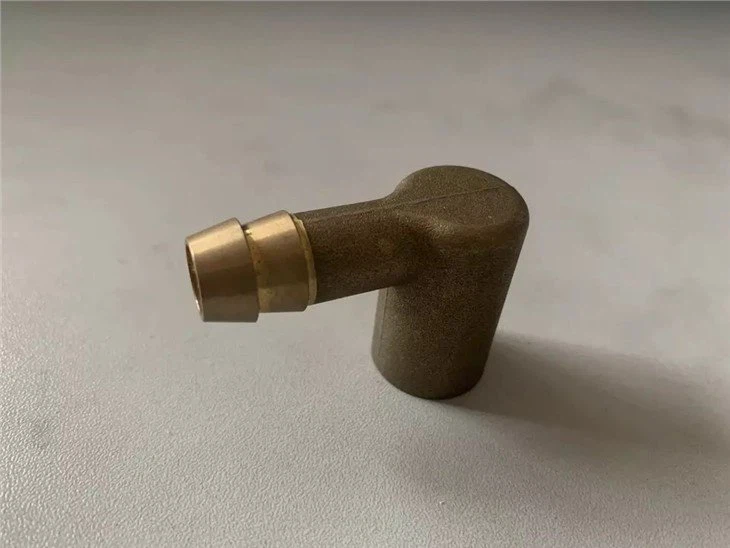
High Pressure Customized Small Brass Gas Stove Control Valve 3/4''
Why choose Us
Rich Production Experience
We have more than 20 years of experience in manufacturing valves and process valves. Our factory covers an area of 30,000 square meters and produces 5,000 tons of aluminum, brass, and copper products annually.
Professional Production Line
We have more than 350 employees and have complete and professional product production lines, including gravity casting lines, machining lines, polishing lines and assembly lines, to produce high-quality products.
Strict Management System
Systematic management is implemented, equipped with modern testing machines, and personnel engaged in design and quality control processes to ensure product reliability and durability.
Complete Qualifications
We have passed ISO9001, CE and other certifications, and always provide customers with high-quality products and professional services. We are able to process a variety of finished products and parts based on custom orders, drawings and samples.
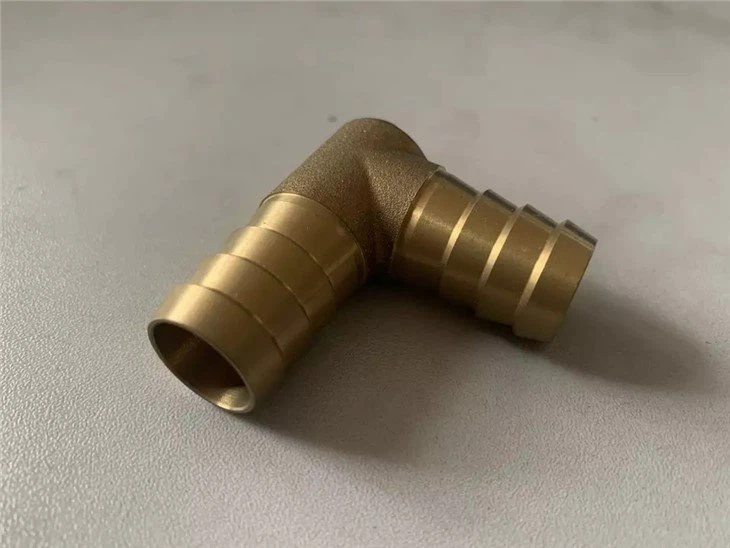
Brass pipe fittings are suitable for connecting copper tubes, stainless steel tubes and plastic pipes that have compatible outside diameters. Pipe fittings have various connection types including compression, push fit, threaded and solder and are ideal for all plumbing work.
Brass pipe fittings are typically used for carrying water, chemicals, flammable gases, slurries, and other plumbing substances. Pipe fittings made of brass come in a wide range of shapes and thread sizes to connect, adapt, or control any liquid or gas in pipes. Besides plumbing, brass fittings are also used for some automotive applications, such as in air brakes, hose ends, and fuel line valves. You may also find brass fittings in ballcock adapters, refrigerator cooler fittings, and compression fittings.
Related Products
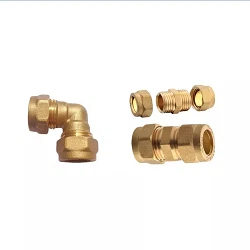
Because of their simplicity, brass hose pipe connectors can be used in various settings, such as the garden, pool, or irrigation systems. They can be easily interchanged between different hose sizes.
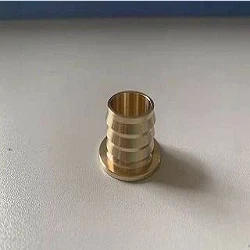
The Brass Tee Adapter is designed for easy installation, thanks to its user-friendly design. It features three ports – one inlet and two outlets – allowing you to create a T-shaped connection with ease.
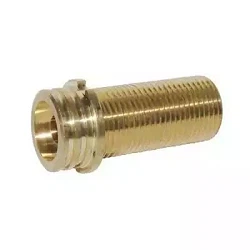
The Brass material is also known for its malleability, which means that it can be easily formed and shaped into different designs and sizes. This feature makes it perfect for applications where fasteners need to be customized to specific requirements.

Keeping this in mind, we offer customized CNC brass parts for lamps that cater to your individual needs. Whether it's the size, shape, or texture, we have the expertise to develop brass parts precisely to meet your requirements.

Our Brass Thread Pipe Lamp Part is designed to fit a variety of lamp-making projects. It features a standard 1/8 IPS thread size that is common in the lamp-making industry, making it compatible with a wide range of lamp fixtures and components.

Lead Free Brass Garden Hose Fittings
Our fittings are designed to be robust and long-lasting, and can withstand extreme weather conditions. This product is perfect for a product that can withstand heavy-duty use and high levels of wear and tear.

We specialize in CNC machining, which allows us to produce highly precise and accurate parts that meet the specific requirements of our clients. Our CNC machining process ensures accuracy and consistency in every part produced.

Brass Adjustable Marine Hardware
The adjustable feature of our Brass Adjustable Marine Hardware makes it a versatile and flexible product. It can be adjusted to fit a wide range of applications.

Plumb Pak Cast Metal Y-Hose Connector
The Plumb Pak Cast Metal Y-Hose Connector comes in a standard size that fits most hoses with ease. In addition, it is equipped with high-quality rubber washers that prevent leaks while in use.
They are Durable
Brass fittings have been used in both residential and industrial plumbing because it is great for heavy-duty use and it stays in good condition for years. When you have a plumbing project that needs to have a long lifespan, brass is a good choice because it lasts for a long time without disintegrating or even cracking.
They Can Withstand High Temperatures
As the best fitting material for distributing hot water, brass provides exceptional conductivity and improves the efficiency of the distribution system. In fact, brass fittings can tolerate much higher temperatures than fittings made of other materials, up to the point of being fire resistant.
They are Malleable
You may find that you need to mold or shape a fitting to make it work in specific areas. If so, then a brass fitting is the ideal choice. Brass is a malleable metal – much more so than iron or steel. That makes brass fittings a very flexible option for many tight plumbing spots.
They are Corrosion Resistant
Brass doesn't rust and it is highly resistant to corrosion. Rust and corrosion rapidly speed up the natural wear and tear process on the fitting, so when you are looking for long-lasting fittings, brass is the best material for the job.
They are Versatile
You can find brass fittings in all types and sizes, so you can always find just what you need for your specific plumbing projects.
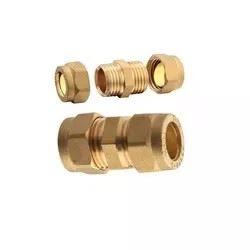
Pipe Couplings: Used to join pipes of the same size (unless the pipes are of various diameters, in which case a reducing coupler is required).
Pipe Adaptors: Used to change the kind of connection (male or female) at a pipe's end.
Pipe Nipples: Used to join two fittings together.
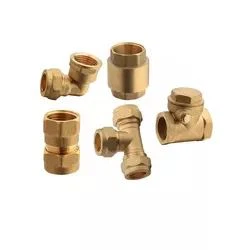
Pipe Tees: In the shape of a "T," used when a water supply requires more than one branch.
Pipe Elbows: Used to alter the flow direction between pipes.
Pipe Unions: Used in the same way as couplings are.
Pipe Plugs: Pipe plugs are used to seal pipelines.
Pipe Wyes: Shaped like a "Y," they're used to connect pipes at a 45-degree angle.
Industry Application of Brass Pipe Fitting
Plumbing and HVAC Industry
In this industry, brass fittings are used for a variety of applications such as water distribution, heating and air conditioning systems. Brass fittings are preferred over other materials due to their corrosion resistance, durability and the ease with which they can be bent and shaped to fit the complex design requirements of the systems.
Architecture and Interior Design Industry
Brass fixtures, such as faucets, handles, and other fittings add an elegant and luxurious touch to the design of commercial and residential buildings. These fittings are preferred over other materials due to their shiny and attractive appearance, along with their strength and durability.
Marine Industry
Brass fittings are also commonly used in the marine industry for applications such as engine cooling systems, water distribution, and other applications that require the transport of fluids.
Manufacturing Industry
Brass fittings are also widely used in the manufacturing industry for a variety of applications such as fluid transport systems, hydraulic systems, and pneumatic systems. These applications require strong, durable and corrosion-resistant pipes and fittings that can withstand high-pressure environments.
Automotive Industry
Brass pipes are preferred because they are corrosion-resistant, durable and can withstand high temperatures and pressures. Brass fittings are commonly used in fuel systems because they will not react with gasoline or diesel fuel.
Agriculture and Irrigation Industry
In the agriculture and irrigation industry, brass fittings are used in irrigation systems, water distribution systems, and other agricultural applications. Brass is highly resistant to corrosion, making it ideal for use in locations with high moisture content.
Brass Fittings VS PPR Fittings
|
Difference |
Brass Pipe Fittings |
PPR Pipe Fittings |
|
Advantages |
High strength and plasticity. It has good corrosion resistance. It is easy to process. The operating temperature is high. |
The price is relatively low. Good sealing, no leakage. High corrosion resistance. There is no problem of radioactive pollution. |
|
Shortcoming |
The cost is high. Installation requires experience, and the connection method of copper pipes needs to be mastered or professional personnel should be invited to install. |
The strength is low, and it is easy to be damaged by external force if you don't pay attention. Large thermal expansion coefficient. Improper installation or poor operation may cause thermal expansion and rupture of the pipe. |
|
Connection Method |
Brass tube connections include copper pressure tubes, welding, etc., but the more common way is to use brass tube compression connections. |
PPR pipe fittings have hot-melt connections and mechanical connections. The hot-melt connection strength is high, and the mechanical connection is easy to operate, but the connection strength is low. |
Processes in Manufacturing Brass Pipe Fittings
Evaporative Pattern Casting
As the name suggests, evaporative technology is used in this casting process.
Die Casting
This is another metal casting process. In this process, the molten metal under high pressure is passed through a mold.
Centrifugal Casting
This type of casting technique is most common in manufacturing thin-walled cylinders. The centrifugal casting process is also referred as a rotocasting process.

Continuous Casting
In this casting process, the molten metals are solidified which helps them get a final finish. The continuous casting process is also referred to as strand casting.
How to Clean Brass Fittings
Fill a bowl with hot water and mix in a few drops of a mild dish-washing liquid until it bubbles. Place the brass pipe fittings into the bowl and allow them to sit in the soapy solution for 10 minutes.
Clean both the inside and outside areas of the fittings using a 1-inch brass fitting brush, which is made of carbon steel wires. Gently scrub away deposits.
Place the fittings in the soapy water again to remove any loose debris. Rinse the fittings in clear water to remove any soap residue.
Dry the brass fittings thoroughly with a clean microfiber cloth, which will not only absorb moisture but will also restore luster and shine.
Remove any tarnish on the brass fittings by combining equal parts of table salt, white flour and distilled white vinegar in a bowl. Rub the paste into the fittings and allow them to sit for up to an hour, depending on the severity of the tarnish. Rinse the fittings with clear water and dry and buff them with the microfiber cloth.
Company Certificate
We have passed ISO9001, CE and other certifications, and always provide customers with high-quality products and professional services.

Our Factory
Our company was established in 2008, capable of processing all kinds of finished products and parts, and your customized orders, drawings and samples are always welcome to complete.

Cooperating Partners
We have cooperated with many well-known brands and sincerely look forward to cooperating with you.

Ultimate FAQ Guide to Brass Pipe Fitting
Hot Tags: high pressure customized small brass gas stove control valve 3/4'', China high pressure customized small brass gas stove control valve 3/4'' suppliers, 15mm elbow copper, 45 degree elbow, fuel line compression fittings, fuel line adapter fittings, long brass kitchen handles, high pressure pipe fittings
Send Inquiry
