
Why choose Us
Rich Production Experience
We have more than 20 years of experience in manufacturing valves and process valves. Our factory covers an area of 30,000 square meters and produces 5,000 tons of aluminum, brass, and copper products annually.
Professional Production Line
We have more than 350 employees and have complete and professional product production lines, including gravity casting lines, machining lines, polishing lines and assembly lines, to produce high-quality products.
Strict Management System
Systematic management is implemented, equipped with modern testing machines, and personnel engaged in design and quality control processes to ensure product reliability and durability.
Complete Qualifications
We have passed ISO9001, CE and other certifications, and always provide customers with high-quality products and professional services. We are able to process a variety of finished products and parts based on custom orders, drawings and samples.
-

Brass Pipe Fitting
We have more than 20 years of experience in manufacturing valves and process valves. Our factory Add to Inquiry -
Brass Hose Pipe Connectors
Hose pipe connectors are used to attach the end of a hose to a tap connector, creating a tight seal Add to Inquiry -
Brass Tee Adapter
We have more than 20 years of experience in manufacturing valves and process valves. Our factory Add to Inquiry -
Forged Brass Fittings Nipple Elbow
Product Type:brass forged. Material:brass (H57-3, H62,HPB57-3,CW614N, CW617N, C36000,C37000,etc). Add to Inquiry -
Brass Hose Pipe Connectors
Healthy, anti-bacteria, conforming to drinking water standards. Resistant to high temperatures, Add to Inquiry -
Brass Tee Adapter
Application:General. Temperature of Media:Medium Temperature. Power:Manual. Media:Base. Add to Inquiry -
Brass Screw Fastener
Media:Base. Port Size:DN40-200mm. Structure:BUTTERFLY. Material:Brass. Product Name:stainless steel Add to Inquiry -
Cnc Brass Parts for Lamp
Customized support:OEM, ODM, OBM. Place of Origin:Zhejiang, China. Brand Name:kangdi. Model Add to Inquiry -
Brass Thread Pipe Lamp Part
Brand Name: Kangdi. Model Number: DYTM-L. Technics: Forged. Shape: Equal Add to Inquiry -
Lead Free Brass Garden Hose Fittings
Color: Silver. Material: Brass. Logo: Accept Customized Logo. MOQ: 500pcs Add to Inquiry -
Brass Cnc Machining Parts
Warranty:12 months. Type:Stop & Waste Valves. Customized support:OEM, ODM, OBM, Software Add to Inquiry -
Brass Adjustable Marine Hardware
Material: Copper, Copper or Stainess steel available. Finish: Galvanized. Type: Poppet, Ball, Push Add to Inquiry



What is Pipe Fitting
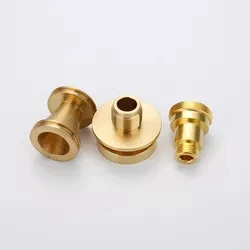
Pipe fittings are components used to join pipe sections together with other fluid control products like valves and pumps to create pipelines. The common connotation for the term fittings is associated with the ones used for metal and plastic pipes which carry fluids. There are also other forms of pipe fittings that can be used to connect pipes for handrails and other architectural elements, where providing a leak-proof connection is not a requirement. Pipe fittings may be welded or threaded, mechanically joined, or chemically adhered, to name the most common mechanisms, depending on the material of the pipe.
Types of Pipe Fitting
Elbows
Such pipe fittings are used to change the direction of the flow. ElbowsThey are majorly available in two standard types - 90 and 45 degree angles owing to their high demand in plumbing.
Couplings
A coupling is a device used to connect two shafts together at their ends for the purpose of transmitting power. The primary purpose of couplings is to join two pieces of rotating equipment while permitting some degree of misalignment or end movement or both.
Union
This type of pipe fitting is almost similar unionto coupling in terms of functions, but just with a difference, i.e. a union can be removed easily any time while the coupling cannot.
Adapters
Adapters are connected to pipes to either increase their Adapterslengths or if pipes do not have appropriate ends. These pipe fittings make the ends of the pipe either male or female threaded as per the need.
Nipple
In plumbing and piping, a nipple is a fitting, consisting of a short piece of pipe, usually provided with a male pipe thread at each end, for connecting two other fittings.
6.Reducer
This pipe setting is used to reduce the flow size of the pipe from the bigger to smaller one. There are two kinds of reducers- concentric reducer and eccentric reducer.
Tee
Pipe tee fitting is a fitting that has a T shape. It has two outlets at an angle of 90° each and one main connection line. It is a pipe that has adjacent outlets and used to connect pipes at 90° angle.
Cross
This type of pipe fitting containscross four openings in all thefour major directions. This fitting is adjoined to four pipes meeting at common point.
Flanges
A flange is a protruded ridge, lip or rim, either external or internal, that serves to increase strength; for easy attachment/transfer of contact force with another object; or for stabilizing and guiding the movements of a machine or its parts
Caps & Plugs
Both these pipe fittings are used to close the endsCaps & Plugs of the pipe either temporarily or permanently. The plugs are fitted inside the pipe and threaded to keep the pipe for future use.
Bushings
These pipe fittings are used to combine pipes of differentBushings sizes together by decreasing the size of the larger fitting to the size of the smaller pipe.
Wyes
Such type of pipe fittings are used in drainage systems and haveWyes a branch line at 45 degrees to keep the flow of water smooth. When the sanitary tees fail to work in a horizontal connection, such cases needs a wye.
Benefits of Pipe Fittings
Versatility
Pipe fittings come in a wide variety of types, sizes, and materials, allowing them to be customized to fit the specific needs of different piping systems and applications.


Pressure Regulation
Fittings designed for specific pressure ranges and applications help maintain proper pressure levels within a piping system, ensuring safe and efficient operation.
Connection Flexibility
Fittings allow pipes to be joined and linked in a variety of ways, allowing for the building of complicated layouts and networks. This adaptability is critical for dealing with changes in system design or overcoming hurdles.


Maintenance and Repairs
Fittings and connections facilitate maintenance and repairs by allowing portions of pipes to be separated without the need to cut or change the pipe itself. Downtime and related expenses are reduced as a result.
Aesthetic Considerations
We can improve the overall aesthetic of a system, particularly in prominent locations. Fittings that are well-designed and professionally fitted may improve the aesthetic attractiveness of a setup.

System Integrity
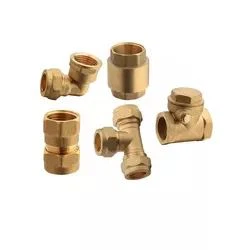
High-quality fittings from reputable manufacturers ensure the overall integrity and reliability of the piping system, reducing the risk of unexpected failures.
Common Metal Materials for Pipe Fittings
Aluminum
By itself, aluminum has low tensile strength and is used when high corrosion resistance is needed. It is alloyed with zinc, copper, silicon, manganese, and/or other metals to improve its strength and hardness.
Brass
It's strong, durable, and corrosion resistant, with high temperature ductility and good conductivity. Brass fittings can have various protective or decorative finishes which should match the finish of the piping.
Stainless Steel
Stainless steel is an alloy of steel that contains over 10.5% chromium, providing excellent corrosion resistance for sanitary applications and those dealing with aggressive fluids and materials.
Cast Iron
Cast iron fittings and pipes are used primarily in building construction for sanitary, storm drain, waste, and vent piping applications because of their resistance to abrasive materials like sand, gravel, solid wastes, and debris.
Copper
Copper fittings are important for many plumbing and heating applications, and are commonly used for residential water supply lines. Copper fittings are usually used in conjunction with copper piping, and come in either soft or rigid forms.
Steel
Steel is an alloy of iron and carbon; it is commonly alloyed with other metals to improve its corrosion resistance and durability. It is used in both commercial and industrial applications for carrying water, flammable gases, and other fluids.
Applications of pipe fittings
●The transfer of extremely hazardous materials such as chemical and waste.
●Protection of sensitive equipment from high pressures.
●Protection from corrosion and other extreme weather conditions.
●Resistance to household and industrial chemicals.
Considering the various purposes of pipe fittings, these pipe fittings are used in various industries like:
Chemical / Petrochemical
Food, Beverage, and Dairy
Municipal
Oil and Gas
Power
Process Instrumentation
Pulp and Paper
Semiconductor
Marine & dredging
Sanitation
Irrigation
Residential
Road & highway construction
Ventilation etc.
Selection Criteria for Pipe Fittings

Size and Dimensions
Ensuring a harmonious match between the size and dimensions of the fittings and the pipes they will link is absolutely vital. Fittings are available in a spectrum of sizes, typically measured in inches or millimeters. Incorrect sizing can lead to undesirable consequences such as leaks, pressure drops, or flow restrictions.

Pressure and Temperature Ratings
Always take into account the pressure and temperature conditions your pipe fittings will be exposed to. It is imperative that the fittings you select have the capacity to withstand the maximum pressure and temperature levels within your system, thereby averting any potential failures or safety hazards.

Ease of Installation
The ease of installation is an essential factor that can affect your budget. Easy-to-install fittings can lower labor costs, making them pricier initially but more economical in the future. If you have the capital to invest in your plumbing project, consider the ease of installation factor.

Material Considerations
Material is another factor that influences the cost of your pipe fitting. Materials such as copper or brass are undoubtedly expensive but offer greater durability and can last longer. This value for money plays a more significant role than the price factor.

Factors Affecting the Performance of Pipe Fittings
●Pressure-temperature ratings
●Size
●Design
●Coatings
●Materials
●Marking
●End connections
●Dimensions and tolerances
●Threading
●Pattern taper etc.
Manufacturing Process of Pipe Fittings
Mandrel Method/Hot Forming Method
After heating the raw material, it is pushed over a die called “mandrel” which allows the pipe to expand and bend simultaneously. Applicable to a wide size range. Characteristics of mandrel bending strongly depend on the integrated shape and dimensions of the mandrel.
Extrusion Method/Cold Forming Method
In the cold extrusion method, a pipe with the same diameter as a finished product is pushed through a die and formed into its desired shape. Usually applied to stainless steel small to medium sizes elbows.
“UO” Method (Welding)
In this method the plate is cut out into a specially designed shape, it is formed first into a U-shape using a die and then into an O-shape or tubular form using another die, that is why this method is known as UO method. Once the fittings formed in tumbler shaped it is welded from inside and outside of the closing seam. A cut plate is 1st from in U shape and then in O shape.
Hot Forming Die Bending Method
In this method the pipe is been inspected before any process. Then after cutting out pipe into specified length, it goes under elliptical forming using a die shown in the picture. For producing a specified radius for elbow, it bends in another die. In the next step the elbow goes under heat treatment. In the end shot blasting, cleaning, beveling and coating are done respectively to finalize the product.
Tips on Maintenance of Pipe Fittings

Inspections are Carried Out on a Regular Basis
Following a regular inspection plan can have a variety of positive side effects that can assist to enhance the general health of your workplace.

Utilizing the Proper Tools
Operator mistake is typically the greatest hazard to the fitting stability or another piece of equipment in a setup. Always ensure that your equipment is being used to its greatest capacity.

Installing the Correct Equipment
If the right equipment is employed, pipe and butt weld fittings are exceptionally robust and sturdy. Regardless of the need for inspections, competent manufacturers typically make dependable things that should survive exact usage in most settings.
Lubrication and Cleanliness are Crucial
Anyone who has spent extensive time working in an industrial environment understands how difficult it is to keep personnel and equipment clean. Preventative steps that might assist make a workspace more organized are usually disregarded due to the incorrect perception that there isn’t much that can be done to preserve order.
Company Certificate
We have passed ISO9001, CE and other certifications, and always provide customers with high-quality products and professional services.

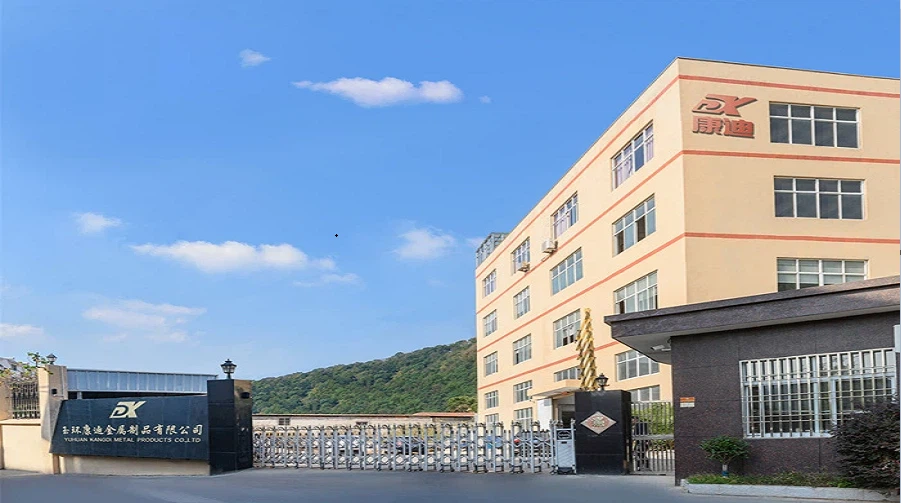
Our Factory
Our company was established in 2008, capable of processing all kinds of finished products and parts, and your customized orders, drawings and samples are always welcome to complete.
Cooperating Partners
We have cooperated with many well-known brands and sincerely look forward to cooperating with you.
Ultimate FAQ Guide to Pipe Fitting
As one of the most professional pipe fitting suppliers in China, we're featured by quality products and competitive price. Please rest assured to wholesale cheap pipe fitting for sale here and get quotation and free sample from our factory. Also, customized service is available.
dishwasher pipe end cap, brushed brass interior door knobs, big pipe to small pipe connector